Are Seoul Tower And Namsan Tower The Same?
One tower, four names: Seoul Tower, Namsan Tower, N Seoul Tower and Namsan Seoul Tower all point to the same building, and this guide explains where each name comes from and which one to type when buying a ticket.
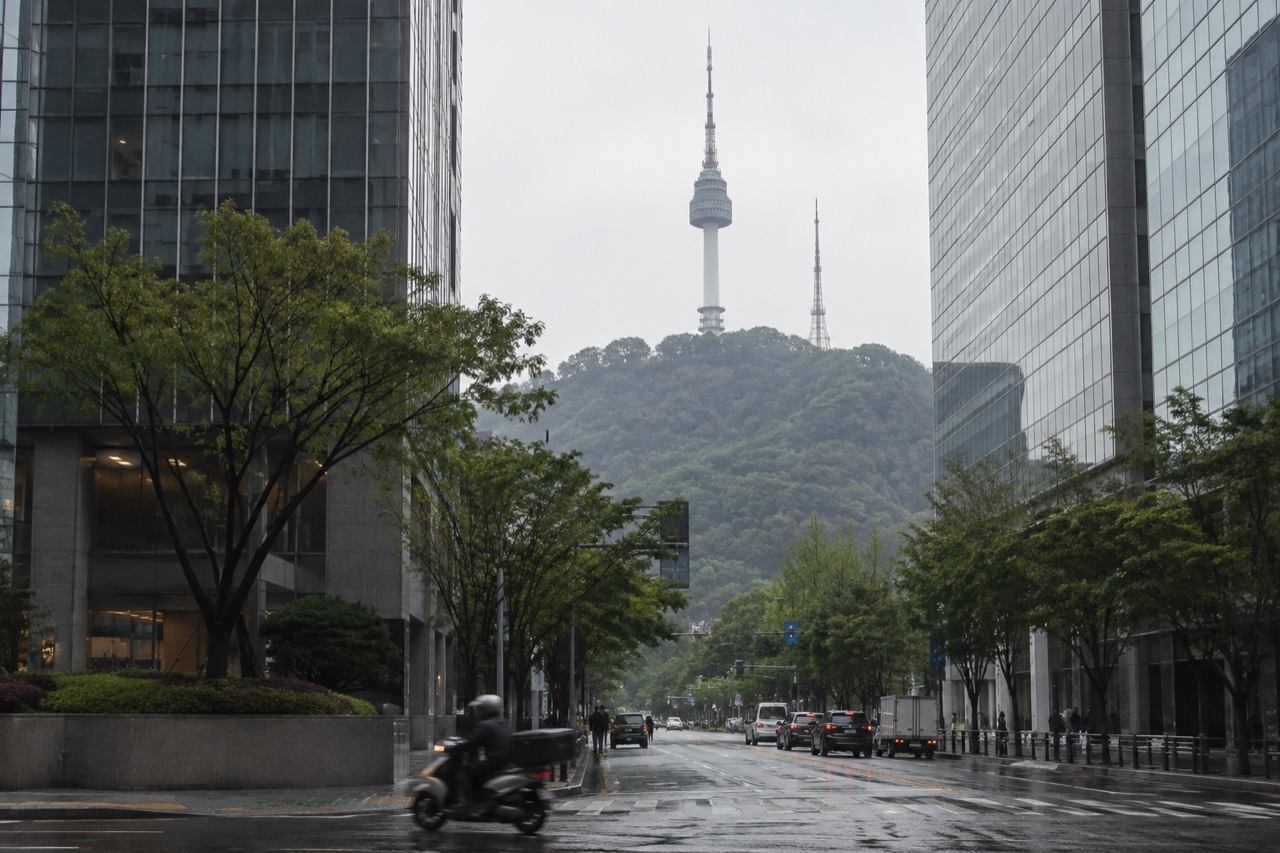
Yes, and the confusion is completely reasonable. Seoul Tower, Namsan Tower, N Seoul Tower and Namsan Seoul Tower are four names for one and the same building: the 236.7 m tower standing on the summit of Namsan, a 270 m hill in the middle of Seoul. The structure was built as a broadcast tower, opened to the public as Seoul Tower in October 1980, and was renamed N Seoul Tower in December 2005 after a full renovation. Nothing about the building changed when the name did.
Are Seoul Tower And Namsan Tower The Same?
Yes, they are exactly the same tower. Seoul Tower, Namsan Tower, N Seoul Tower and Namsan Seoul Tower all describe one building on the summit of Namsan in central Seoul. The original Seoul Tower opened to the public in October 1980, and after a renovation it was renamed N Seoul Tower in December 2005. The other names are informal variations that never went away.
The reason four names survive is that three different organisations publish "official" information about this one building, and each leans on a different name. CJ Foodville operates the tower itself, the observatory, the restaurants and the ticket booths, under the N Seoul Tower name. YTN Seoul Tower owns and operates the tower building and the Seoul Tower Plaza complex at its base, and its English site still says "Seoul Tower" throughout. The Seoul Metropolitan Government owns the mountain, Namsan, and describes the whole area in terms of the park. Add the cable car company, a separate business again, and you have four voices each naming the same landmark slightly differently.
None of this is a recent development. The tower began life as a combined broadcast and observatory structure: the steel mast was completed in October 1971, television transmission started in 1972, the observatory was completed in July 1975, and the public opening came in October 1980 under the Seoul Tower name. The "N" arrived a quarter of a century later, when a renovation running April to November 2005 finished with a rebrand in December of that year. The operator's own history pages record every step of it.
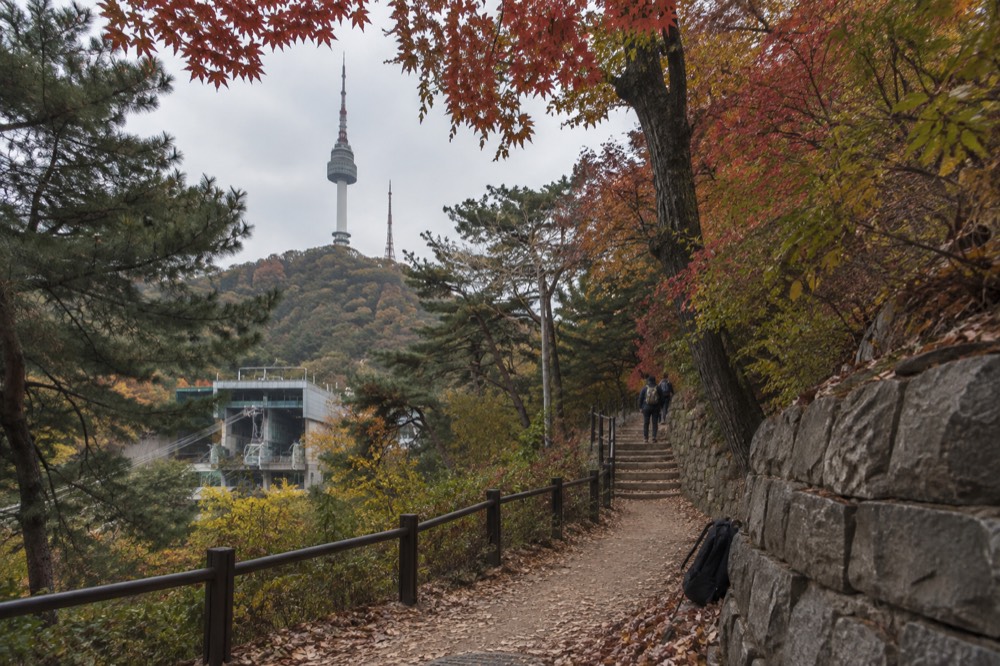
For a visitor, the practical point is simple: search any of the four names and you will reach the same hill, the same cable car, the same love locks and the same observation deck. The name only starts to matter when money changes hands, because the ticket you want is for the observatory inside the tower, and that product carries the operator's current name on its listing.
Where do the four names come from?
The original name was Seoul Tower, used from the public opening in October 1980. Namsan Tower is the informal name locals gave it after the hill it stands on. N Seoul Tower is the official rebrand from December 2005, and Namsan Seoul Tower is a hybrid that stitches the hill and the city together. All four refer to one 236.7 m structure.
Seoul Tower is the oldest public-facing name and the one international guidebooks carried for two decades. It is also the name embedded in the surrounding infrastructure: the plaza at the tower's base is called Seoul Tower Plaza, run by YTN Seoul Tower, whose English-language pages still use "Seoul Tower" for everything from the cable car directions to the retail directory. When a local website tells you about Seoul Tower Plaza 1F, it is describing the shopping floors at the base of the same building everyone else calls N Seoul Tower.
Namsan Tower is the everyday Korean habit of naming things after the mountain they sit on. Namsan, literally "South Mountain", is the city-owned park that fills the hill, and Seoulites have long referred to the tower on top of it by the hill's name. This is the version you will hear most often in conversation and see in much of the city's own tourism material, including Seoul's official visitor pages, which group the tower under their Namsan Park listing. The city's April feature on the mountain treats the tower, the love locks and the trails as parts of one park, priced only at the observatory.
N Seoul Tower is the corporate name, chosen in December 2005 at the end of the renovation. The operator presents the "N" as standing for "New" and for "Namsan", and the rebrand came with the renewed observatory floors, the restaurants and the lighting installation that began signalling the city's fine-dust level in January 2011. This is the name on the ticket pages, the fee tables and the notice board, so it is the one that matters at the point of purchase.
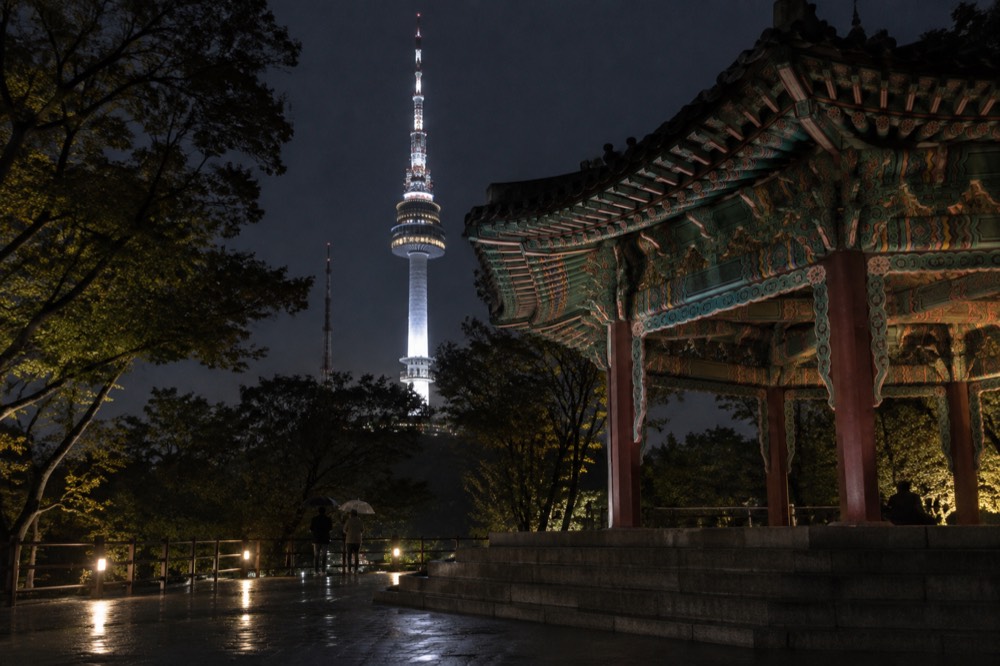
Namsan Seoul Tower is the compromise name that appears on some maps and booking pages, combining the hill and the rebrand. It is not wrong, just redundant: there is only one tower on Namsan, so every one of these strings resolves to the same place. The table below sets out who uses which name and where you will meet each one.
| Name | Who uses it | Where you will meet it |
|---|---|---|
| Seoul Tower | YTN Seoul Tower, older guides | Seoul Tower Plaza pages, cable car directions, retail directory |
| Namsan Tower | Locals, Seoul's tourism portal | Conversation, Namsan Park listings, city features |
| N Seoul Tower | The operator, CJ Foodville | Ticket pages, fee tables, notice board, restaurant bookings |
| Namsan Seoul Tower | Some maps and listings | Search results, third-party pages |
Which name should you type when buying a ticket?
Type "N Seoul Tower Observatory" when you are buying a ticket, because that is the operator's current name for the paid product. The ticket covers only the observation deck inside the tower, from US$15.25 per adult on the live listing, rated 4.6 across 34,365 reviews there, while the operator's own fee page publishes KRW 29,000 for an adult. Everything on the mountain outside the deck needs no ticket at all.
This is where the naming tangle has a real cost, so it is worth being precise. The paid product is narrow: the observation deck inside the tower, entered at Plaza 5F or via the ticket booth at Tower 1F. The operator's own fee page prices adults at KRW 29,000 and children, seniors and other concessions at KRW 23,000, with under-36-months free. The online listing for the same deck starts at US$15.25 per adult. Both prices are stated here as themselves, because they are set by different sellers and are not directly comparable. Other pages covering the same trip are gathered on Namsan Tower Seoul.
Everything else the names might suggest is free. Namsan Park, the summit plaza, the terraces around the tower base, the Palgakjeong pavilion area, the love locks, the beacon mound, the Seoul City Wall path and the Seoul Tower Plaza shops and cafes cost nothing. The paid extras are transport and food: the cable car if you ride it, the circular bus if you take it, parking, and whatever you eat or buy. A visitor who walks up and stands on the summit sees a great deal of Seoul for exactly zero won.
The naming matters for a second reason: stale and conflicting information. Seoul's own tourism portal still lists an older, lower admission price for the observatory, which the operator's current fee page contradicts. If you are checking a price, check the operator's page, not a portal's, and if you are buying online, buy the product whose listing names the observatory explicitly. The observatory ticket on its own is the from-price option; the other options bundle the cable car or a fast-track counter service, and one pairs the deck with a cocktail.
Is Namsan Park the same thing as the tower?
No, and this is the one distinction worth holding onto. Namsan is the mountain, a city park covering the whole hill and divided into four districts. The tower is one building on its summit. The park is free to enter, and the largest civic park in Seoul, while only the observation deck inside the tower sells tickets.
Seoul's official tourism site states it plainly: the entrance to Namsan Park is free. The park is divided into Jangchung, Yejang, Hoehyeon and Hannam districts, and it holds far more than the tower: the restored Joseon-era beacon signal station below the tower, the Seoul City Wall trail running from Sungnyemun to Jangchung Gymnasium, Baekbeom Square with its Kim Koo statue, Waryong Shrine and the Ahn Jung-geun Memorial Museum. All of it is open ground, and none of it needs a ticket.
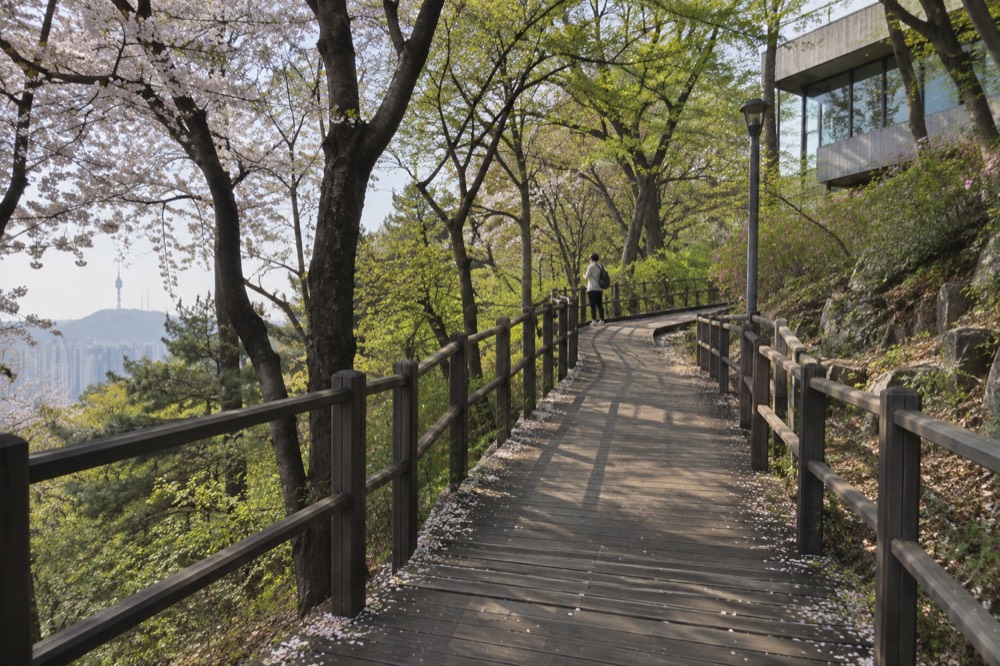
The park has also changed more recently than the tower has. In October 2025 the city opened the Namsan Sky Forest Trail, a barrier-free timber deck path linking the Huam-dong fitness centre to the Namsan Library, built so wheelchair users and older visitors can get up the hill on the official trails. The city closed the unofficial side paths that had been worn into the mountain and restored them ecologically. And from September 2026, Seoul's free guided walking-tour programme added a Namsan City Wall night course, running daily with two evening departures, passing the tower and the love lock deck and finishing at Palgakjeong. The night-tour season now runs mid-March through mid-November, and bookings go through the city's own walking-tour site.
So when a guide says "Namsan Tower", it means the building; when it says "Namsan", it should mean the park. A visit can be entirely a park visit, entirely a tower visit, or a walk up through the park ending at the tower, which is what most people do. For more on the free side of the hill, see our piece on whether going up Namsan is free, and for the walking routes themselves, our Namsan Park walk-up guide.
Does the name tell you what you are looking at?
Partly. The tower's full specification is fixed no matter which name you use: a 236.7 m structure on a 270 m hill, giving a total elevation of 506.7 m above sea level, with clear-day visibility up to 50 km. The names differ, but every measurement belongs to the same building, and only the operator's figures should be trusted.
The operator's specification pages give the numbers that matter. The tower structure is 236.7 m, made up of a 135.7 m tower body and a 101 m steel mast, standing on Namsan at 270 m, for a total elevation of 506.7 m above sea level. The observatory's floors total 2,403 square metres, of which 149 square metres rotates: the n.Grill restaurant above the deck completes one full rotation in 1 hour 40 minutes. On a clear day the operator states you can see up to 50 km, naming Achasan and Ttukseom to the east, Bukhansan to the north and Gwanaksan to the south.
One caution belongs here, because the naming confusion breeds number confusion. The cable car company's homepage displays an "arrival altitude 479 m" figure on its tower card, which does not match the operator's 506.7 m and is best treated as the company's own marketing number rather than a measurement of anything. A second trap is the tower's structural height versus its floor count: the height is verified and published, while floor-by-floor elevation figures circulating online are not. If a number did not come from the operator, treat it as a rumour with a decimal point.
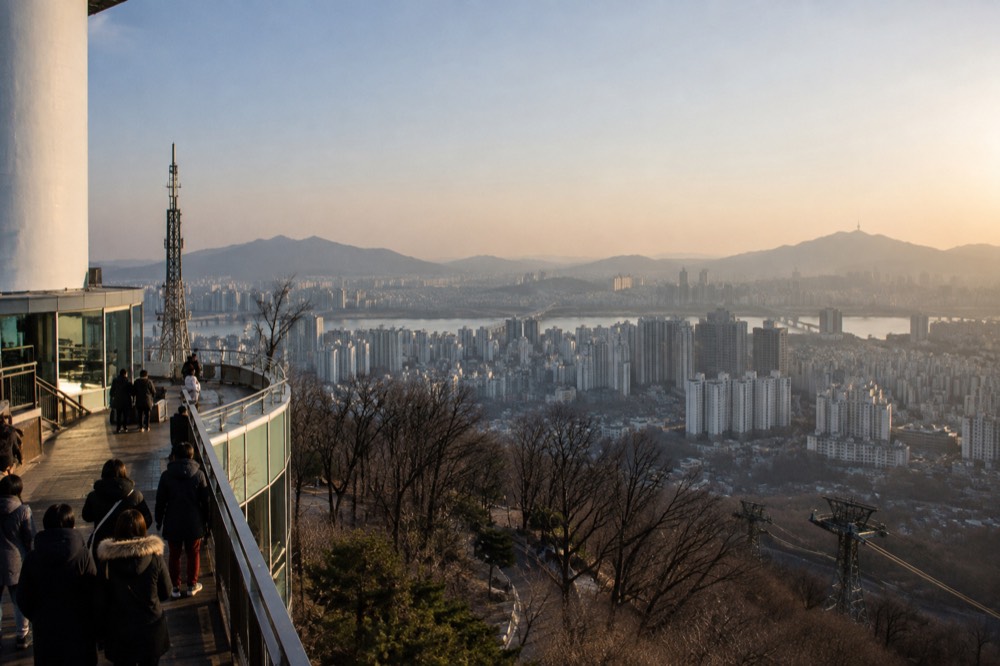
The tower also carries a cultural weight that no single name captures. It joined the World Federation of Great Towers in 1989, was named a Korea Tourism Star in 2015 and a Seoul Future Heritage in 2018, and more recently appeared in Netflix's animated film KPop Demon Hunters, whose climax the streaming service's own locations guide places on the hill of Namsan Tower. Seoul's mayor publicly tied the mountain's recent surge in interest to the film. The names multiply because the meanings do too: broadcast mast, observatory, date spot, film location and city landmark, all in one structure.
For readers deciding how the tower fits a wider trip, our three-day Seoul itinerary slots Namsan in with the palaces and markets, and our comparison of Lotte Tower versus N Seoul Tower covers the other observation deck visitors most often confuse it with.
Common questions about Seoul Tower and Namsan Tower
Are Seoul Tower And Namsan Tower The Same?
Yes. Seoul Tower, Namsan Tower, N Seoul Tower and Namsan Seoul Tower are all names for the same 236.7 m tower on the summit of Namsan in central Seoul. It opened to the public as Seoul Tower in October 1980 and was renamed N Seoul Tower in December 2005 after a full renovation.
Why did Seoul Tower change its name to N Seoul Tower?
The rename followed a full renovation that ran from April to November 2005. The operator rebranded the building as N Seoul Tower in December 2005, with the "N" standing for "New" and for "Namsan". The building itself did not change, which is why the older names never disappeared from everyday use.
Is Namsan the same as Namsan Tower?
No. Namsan is the mountain, a free city park divided into four districts. The tower is one building on its summit. You can visit the park, the summit plaza, the love locks and the terraces without any ticket; only the observation deck inside the tower sells admission.
Which name should I search for when buying a ticket?
Search for "N Seoul Tower Observatory", the operator's current name for the paid product. The ticket covers the observation deck only, priced from US$15.25 per adult on the live listing and KRW 29,000 at the operator's own fee page. Check prices on the operator's page, since some portals still list an older, lower figure.
Who actually owns the tower?
Three organisations share the mountain. CJ Foodville operates N Seoul Tower itself, the observatory, restaurants and ticket booths. YTN Seoul Tower owns and operates the tower building and the Seoul Tower Plaza retail complex at its base. The Seoul Metropolitan Government owns Namsan Park, the mountain around it.
Do any of the names refer to a different tower?
No. Every one of the four names resolves to the same building on Namsan. The tower visitors sometimes confuse it with is a different structure entirely, Lotte World Tower in Jamsil, which has its own observation deck, Seoul Sky, on the other side of the river.